Green manures are a means of improving and protecting the soil over winter by using living plants rather spreading a compost mulch over the soil. They are also known as cover crops, particularly in the USA. This is possibly a more descriptive term for their use when a fresh crop of plants is sown in late summer or early autumn specifically to cover the ground over the winter.
However, there is another sort of green manure, where vegetation is cut in autumn and left to lie on the ground where it was growing. This may be the part of the plant which you’re not actually harvesting for food. It will wither and slowly rot down over the winter and provides protection for the soil whilst it does so. Come the spring the remaining plant material can be dug into the soil.
But most people when they talk about green manures or cover crops have in mind a specific plant which is sown and grown for winter coverage of what would otherwise bare earth.
It isn’t a new idea. Green manures as a crop to improve soil were an advance on leaving a field fallow or crop- free. Developed by Townshend in eighteenth century England as part of his 4-course crop rotation, green manures went out of usage with the development of chemical / artificial fertilisers.
What do green manures do?
In its most basic definition a cover crop is any plant which covers the bare earth. But when we consider the term green manure, it becomes clear that we expect some nutrient benefit to the soil as well.
Cover crops protect and improve the soil in these ways: –
- Soil stabilisation and help prevent soil erosion. Sloping sites and heavy soils would benefit, as would areas of high rainfall
- Shelter for beneficial insects and small mammals over winter
- Improve the nutrient quality of the soil – particularly nitrogen. Leaving the roots of leguminous green manures in the soil is beneficial. Digging in all of the green manure crop may be less so (see below)
- Offers some protection against ground frost
- Will reduce annual weeds; may reduce perennial weeds
- It is more usual to grow a green manure over the winter months in the areas of the vegetable garden that would otherwise be left bare. This does help to keep your soil in “good heart”. If you ‘re an organic gardener, then those benefits will outweigh the downsides.
- Many green manure crops are a good food source for pollinators and wildlife
Cover crops can be used as part of your crop rotation system. Both the roots and the top growth can be dug into the ground. Or you could add the top growth to your compost. But it is a method that works equally well with no-dig gardening. For this latter you would cut the top growth in spring and either leave it as further mulch, add to your compost or possibly use it as animal bedding.
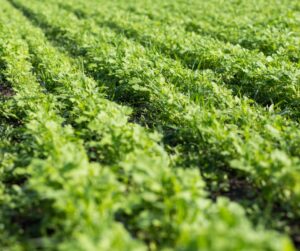
Comparing green manures and other winter soil covering methods.
All of these are organic gardening methods and are permeable, ie water can pass through. A compost mulch is equally suitable for empty vegetable beds in the kitchen garden or for adding to the spaces in an ornamental shrub border. Membrane and green manures are better used where there is a designated empty space.
Compost mulch
- Free if your own garden compost is used
- Can be expensive if bought in for a large area; bulk bags and loose loads are cheaper than smaller bags
- Adds nutrients although the quality and quantity of nutrients may not be known, depending on source
- Some weed suppressing qualities, but not as much as membrane
- Improves all types of soil texture
- Ideally the soil should be free of annual weeds (hoe off) and perennial weeds dug out before applying
- Can be lightly forked into the earth and the remainder laid as a mulch to encourage worm activity
- If your soil is already weed free, then just spreading compost as a top-dressing mulch is not too arduous. It can be done in stages over a large area
- Provides frost protection and keeps the soil warm if applied in late autumn
- Once laid, minimal maintenance over winter, although foxes may play in it / dig some up
- Will need to be fully dug in at spring time or when vegetable borders required for new crops
Membrane / Geotextile
- Will prevent annual weed seeds from germinating
- Reduces vigour of perennial herbs if left in situ for a longer period
- Gives no nutrients to the soil or plants which will later grow there
- Does not improve the soil texture
- Has to be purchased and pegged down; use semi permeable or permeable membrane
- If the soil is damp may encourage slugs
- Easy to lay
- Once in place just needs to be checked that foxes / high winds haven’t disturbed it
- Can be used over a compost or other mulch
- Suitable for large areas of borders and also good for raised beds
- Not very decorative
- Not particularly wildlife friendly
Green manures
- If this is being applied in a vegetable garden where a crop has been cleared, then there shouldn’t be too much preparation required before sowing seeds
- Seeds are sown – so inexpensive to purchase a few packets of seeds. They are sown in situ, not in a seed bed
- If seeds might be eaten by birds, cover with horticultural fleece or use bird scarers
- Likewise, if cats, foxes, rabbits or deer are a nuisance in your garden take your usual precautions for newly sown seeds
- Not all green manures grow well on or are suitable for all soils (see below)
- Attract beneficial insects and provide a source of nectar
- They can look decorative
- Provides a habitat for overwintering mammals and amphibians
- Can be used in summer and in winter – either as two separate crops or left standing for a year
- Will need to be cut, dug in and left for approx. 4 weeks before the area can have a new crop sown in it
Which green manures are best for my garden?
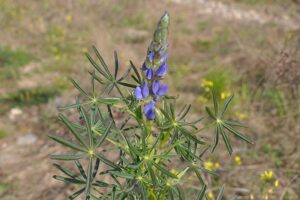
If you’re using a green manure as part of your crop rotation, you also need to take into account whether the plant is a legume or a brassica. For example, mustards are all brassicas. Winter field beans and clovers are legumes.
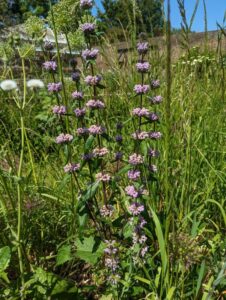
- Clovers, trifolium ssp, do best on lighter soils
- Beans, fava beans for example, prefer heavier soils
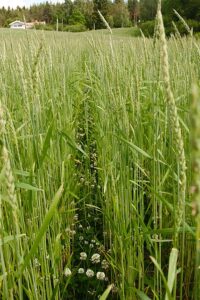
- Winter rye, Secale cereale and Winter tares, Vicia sativa, aka vetch, can be difficult to dig in by hand. Probably more suited to large areas where you could use machinery, such as a rotavator
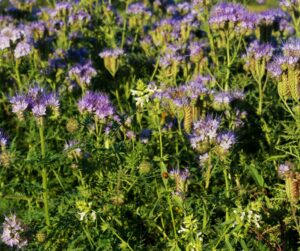
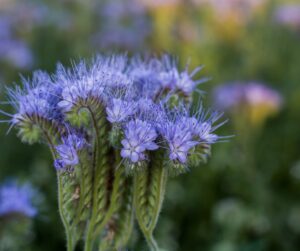
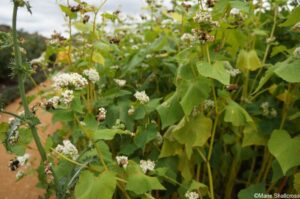
- Buckwheat, Fagopyrum esculentum, and Phacelia tanacetifolia, attract beneficial insects, especially hoverflies, and are easy to dig in
Many cut and come again salad crops are hardy enough to grow and harvest all winter. You could use these as a green manure. For example, corn salad, Valerianella locusta, aka lamb’s lettuce, mache.

Garden Teacher Tip
Some of the green manures will also provide you with fresh treats for pet rabbits over winter. For example, if you’re growing clover small amounts can be given to most livestock; small amounts being the key as it can cause bloat. If you would like your green manure to provide a source of fresh greens for guinea pigs, goats and so on, you could grow poached egg plant, Limanthes douglasii. The pollinating insects will love it too and it should flower intermittently all winter.
and finally
To a certain degree, as with much gardening, there is a bit of trial and error as to which green manures will suit your particular garden. Plews can offer you bespoke gardening lessons – see free download below for more info. Or perhaps a consultancy visit or re-design of your kitchen garden might suit you needs better. Do get in touch if you would like to know more.
For further gardening advice and inspiration, ideas for edible gardens and more, check out Plews Potting Shed blogs, including the selection below and see our monthly Tipsheet You could come and find us on Instagram – @plewsgd Pinterest and Facebook too.
And on that note, you can have a peek at my new garden on Instagram @spitfiresandslowworms and for those of you who prefer Facebook – Spitfires and Slow Worms
Related Gardening articles you may enjoy from our Award Winning Blog
Edible Gardens
What is a Vegetable Garden and Why Would You Want One?
Why Do We Grow Vegetables in Rows?
What is an Ornamental Edible Garden?
Gardening Courses and Lessons
What might a Plews Gardening Lesson be Like?
Plews Gardening Lessons Information free PDF download
Growing Methods
Crop Rotation – Growing Methods for Gardeners
How to use the Three Sisters Cultivation Method
What is Square Foot Gardening?
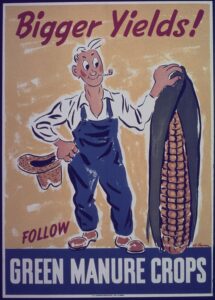
Second World War poster from the NARA – U.S.A National Archives and Records Administration
Some Veggies
Growing Potatoes in Your Garden
Edible Garden Inspo
Garden Visits – Kitchen Gardens
The Allotment – A Pictorial Tour
Composting
Compost & Composting – Plews eBook
Soil – the plant food in your garden
Compost Bins – Pest Problems and Prevention