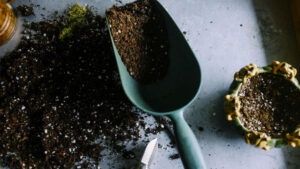
We all know that soil health is important in our gardens, don’t we? So why is it that there are plants that are struggling to thrive due to poor soil lacking in nutrients?
The soil in your garden is probably the most important factor in how well your plants will grow well – or not thrive at all.
Plants take up nutrients (their food) and water through their roots, so the soil the plant roots are sitting in is crucial to their well-being.
A real gardener takes care of their soil. It is generally considered to be the most important element of successfully growing any plants, be those ornamental flowering shrubs or rows of cabbages.
This blog is inspired in part by National Allotments Week theme for 2023 which is all about soil health, but also by my own research and feelings. I thought you might find a few explanations and tips on this topic helpful. And there are links to related blogs at the end.
Soil Health – What soil do you have?
In other words, is it clay, sandy, silty, limey, alkaline, acid, peaty? And how deep is your layer of top soil?
Now whilst we could delve deep into the science of soil, for most amateur gardeners the main questions regarding soil are the two above.
Knowing how alkaline or acidic or indeed neutral your soil pH is enables you to grow plants which will thrive n those conditions. But you will still need to add further nutrients on a continuing basis to improve and or maintain the soil health.
Liquid feeds and fertilisers will give a short term boost to your plants, but do little or nothing for the quality of the actual ‘dirt’ in your garden. And certainly won’t increase the depth of a shallow top soil. This is the layer of earth where the majority of your garden plants have their roots. Yes, I’m talking about all those annual vegetables, summer bedding plants, herbaceous perennials and annual flowers for the cutting garden. Many shrubs and trees make use of the top layers of soil – they don’t all just have deep roots. And, of course, the smaller sub-shrubs have shallower roots.

How to improve your garden’s soil health
Luckily all soils are improved by the addition of organic matter, which in the main is what we mean by the term compost.
By adding compost, sandy soils are encouraged to absorb and retain water and nutrients, and become more fertile. Silty soils are fairly fertile to begin with but their ‘slipperiness’ is toned down with organic matter making a more workable soil. Clay soils are encouraged to be more free draining.
And if your top soil layer is shallow, digging in homemade or bought in compost will improve the quality of what little you have, and, longer term, increase the depth of the top soil.
The organic matter can be added to your soil in various ways, to suit your preferred gardening method of cultivation. But basically it’s either laid on top or dug in.
Mulch
When the compost is added as a mulch, it’s laid on top of the soil for the worms to take down. The mulch also acts as a protective layer in two ways when applied at the correct times.
Firstly, it keeps moisture in the soil over summer. Apply to soil that’s wet at root level in late spring or early summer. If adding as a mulch to later plantings, including vegetables, make sure the soil is damp.
Secondly, mulch keeps in the summer’s warmth over winter by being applied in the autumn. This layer helps to protect roots of perennial plants from frost damage and also enables earlier planting in spring as the soil is warmer which encourages seed germination.

Digging in organic matter
The main reason for incorporating the compost into the soil is to get it down to root level straight away. This could be by being –
- added to planting holes when bringing new plants to a border
- dug in at root level, when renovating a border, creating a kitchen garden, preparing a vegetable patch that’s lain fallow
A halfway house scenario could be where the compost is lightly forked into the surface so as not to disturb roots of established plants already in the border.

No-dig
In no-dig gardening methods, the organic matter will be used as a mulch. You may also be creating a new border using the lasagna method, where it will be one or more of the layers.
Worms
If you’ve been cultivating your garden and adding organic matter or compost to your soil you should see worms wherever you dig. They may be present in different numbers in different areas depending on what has been happening with the soil.
Earthworms are very sensitive to physical and chemical changes in the soil and dislike the often salty chemical fertilisers which may be added to feed a plant in the short term rather than to improve the soil and plant health in the longer term. A few inorganic fertiliser feeds are not likely to do much harm; it would be the sustained use which affects the worms and the soil, and therefore the plants.
But how are worms important for soil health?
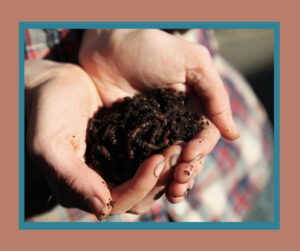
Earthworms are recyclers, part of the nutrient cycle. The scientific name for this is a detritivore. Worms eat the decaying plant and animal matter in the soil, compost bin or soil surface. This they then release into the soil as highly nutritious worm casts (worm poop) improving the fertility of the soil.
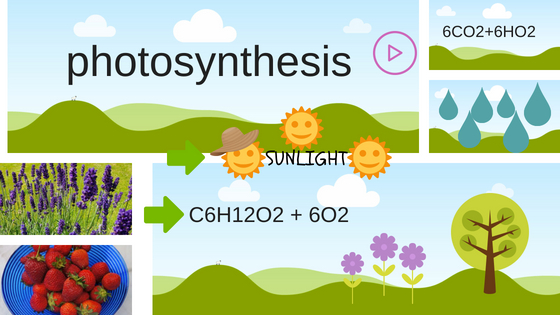
Not only that, but they’re part of the process by which soil is able to act as a carbon sink. You may remember learning about photosynthesis. As part of this process, when plants die and decompose, some of the carbon they’ve absorbed returned to the atmosphere and some is added to the soil. Worms are one of the creatures that eat this leaf litter, aiding the process whereby the soil can store the carbon..
Soil Health and Your Garden – and Beyond
Organic soils, ie those that are not treated with synthetic chemicals, are crucial for healthy garden soil. This in turn creates a biodiverse population of bugs, microorganisms, insects, birds and animals that feed on the plants, waste and each other. But the wider environment, that outside your garden also benefits by reducing some of the adverse effects of climate change.
“Soils store more carbon worldwide than is contained in all plant biomass. They need much more attention as we project the fate of forests and grasslands to the changing atmosphere,”
Professor Rob Jackson, Stanford Woods Institute for the Environment
And in case you thought that all this concern for soil health is ‘new thing’, here’s a quote from nearly two hundred years ago:
“Earths and soils being the laboratory wherein the food or nutriment of the plant is prepared and the media through which it is conveyed to the roots; it becomes a matter of primary importance to the gardener”
John Towers
The Domestic Gardeners Manual, 1830
National Allotments Week
2023 marks the 21st year of National Allotments Week, which is held annually during the first full week of August. And this year the theme is Soil Health.
“For the past two decades, The National Allotment Society and their members have used this period to engage the public in the world of allotments and publicize the benefit of allotment gardening for communities, individuals, and the planet.
Good soil health is widely accepted as way to improve yield when growing edibles but also contributes positively to biodiversity and the environment as the world faces more climate challenges. The NAS hope that this National Allotments Week will inform and educate gardeners old and new about the benefit of caring for the soil and the creatures that inhabit it.”
And finally
If you’d like help with a planting design in your garden, or have queries regarding your existing planting, do get in touch to ask about our design and consultancy services.
For further gardening advice and inspiration, ideas for bee friendly gardens and more, check out Plews Potting Shed blogs, including the selection below and our monthly Tipsheet You could come and find us on Instagram – @plewsgd Pinterest and Facebook too.
And on that note, you can have a peek at my new garden in the (new) Instagram account @spitfiresandslowworms and for those of you who prefer Facebook – Spitfires and Slow Worms
And if you’d like some personal help, we offer a mix of practical sessions and theory in our bespoke Gardening Lessons and Courses. There’s a blog link below plus a pdf download with more info
Related Gardening articles you may enjoy from our Award Winning Blog
Allotments
The Allotment – A Pictorial Tour
National Allotments Week 2018 – Living and Growing
Allotments and Allotment Gardens
Soil Health
Soil – the plant food in your garden
Earthworms – Nature’s Plough and Soil Hero
Go Wild for Worms in Your Garden
Soil Preparation – Double Digging
Composting
Compost Bins – Pest Problems and Prevention
Trench Composting – Sustainable Gardening
Lasagna Gardening – a no-dig growing method for when your soil is dire or non-existent
“Compost and Composting” our helpful Composting eBook for you to download from Plews or Amazon
Plus tips and plant suggestions
Tips for Gardening on Clay Soil
Tips for Gardening on Chalk Soil
Gardening Courses and Lessons
What might a Plews Gardening Lesson be Like?
Plews Gardening Lessons Information