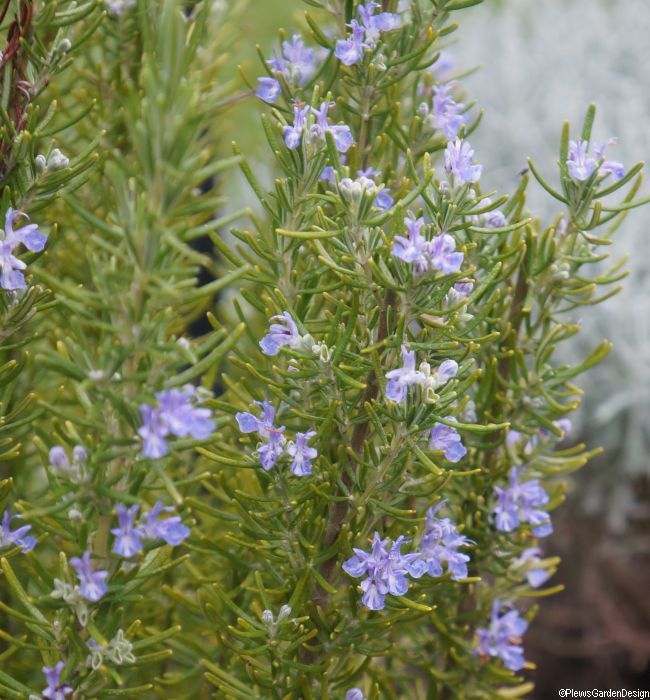
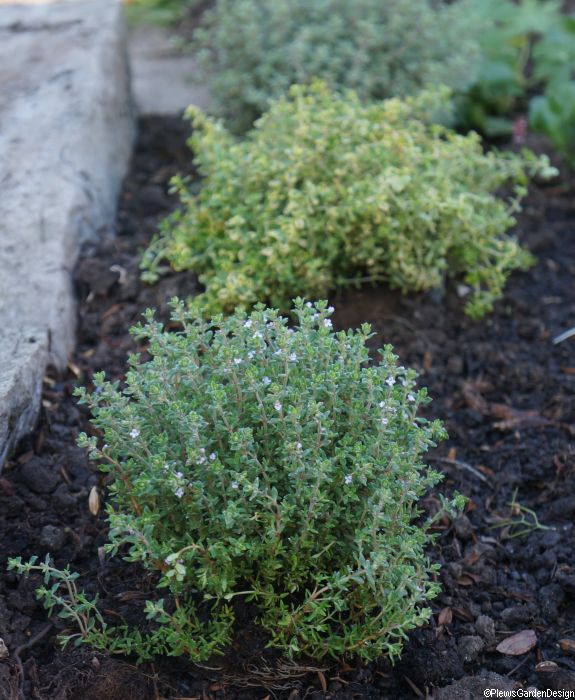
Winter savory, Satureja montana, is an aromatic evergreen herb with a long history in the garden, the kitchen and the medicine chest. But that not’s all. This small shrubby herb makes an excellent low edging for the kitchen garden and alongside paths in the ornamental garden.
Lets find out some more…
Winter Savory, Satureja montana – a bit of Botany
Satureja, savory, is a genus belonging to the Lamiaceae family. There are about 30 species of plants within the genus, which may be annuals, semi-evergreen perennials and sub-shrubs. As a genus, savory is found throughout much of the northern hemisphere, but in particular in warmer and drier regions.
For those of you gardening in the uplands of Britain, winter savory’s common name of mountain savory gives a clue that it will thrive in your herb garden. It likes a free draining soil, even quite shallow, as the roots are fibrous.
The flowers appear in summer and may be pink-white, mauve or purple. Honey bees are among the pollinators who will visit for the nectar. Growing to about 16” / 40 cm high, its best clipped in spring to encourage bushiness. The cultivar ‘Purple Mountain’ is more compact and has bright purple flowers.
Both looking and smelling somewhat like Thyme (Thymus vulgaris) and Hyssop, (Hyssopus officinalis) the three herbs do differ from each other. For example, winter savory has a higher proportion of thymol in its leaves giving it a more pungent, earthier scent and flavour than the others.
One of the reasons why botanical Latin is important when purchasing plants is to make sure you get the right one. For example, you wouldn’t want summer savory, Satureja hortensis, instead as it is an annual herb, and if you’re using savory as a permanent low hedge, a perennial plant is needed. Flavour-wise summer savory is less potent, which is down to what culinary uses you have in mind.
As someone who loves thyme, hyssop and savory I grow both the winter and summer varieties. There’s more on suggestions for where to grow savory later.

Winter Savory in history
Satureja montana is not native to the British Isles and was probably brought here by the Romans a couple of thousand years ago. They, like the Ancient Egyptians used it in love potions. On a more culinary note, the Romans used both winter and summer savory as flavouring in sauces and vinegars.
Once established in British gardens, savory became a staple herb, with multiple uses. Its disinfectant and pest repellent qualities made it a favourite strewing herb. These were aromatic herbs quite literally strewn on the floor to reduce biting insects and give off a pleasant fragrance when walked upon.
“Neither is there a better remedy for the cholic … than this herb. Keep it dry by you all year, if you love yourself and your ease.”
Nicholas Culpeper, ‘The English Physician and Complete Herbal’ 1653
Included in physic gardens, winter savory was used to treat digestive disorders, respiratory conditions, among others. One remedy that could be helpful is to rub freshly picked leaves on a wasp sting to alleviate the reaction. I haven’t tried it, so can’t comment on how efficacious it might be, but it may help with a minor reaction as the herb does have antiseptic properties.
Both summer and winter savory are also known as the ‘bean herb’. This is due to their ability, as Culpeper says, of easing the flatulence that many suffer from when eating beans. I have used it in vegetarian bean based casseroles for this reason, and as well as imparting a wonderful flavour, it seems to help those who would otherwise suffer!
As an aside, it is also interesting to note that Satureja montana may be used as an alternative to salt when seasoning. And it is one of the traditional ingredients used in flavouring salami.
How to grow Winter Savory
Starting with its soil requirements, savory prefers an alkaline soil. Although it will tolerate slightly acidic soil and can grow in very alkaline soils, so its relatively tolerant.
Able and indeed happy,to grow in nutritionally poor soil, the key factor for this herb is a well-drained soil and a sunny aspect. As with many Mediterranean herbs, it is drought tolerant but what the plant can’t tolerate are cold wet clay soils overwinter. If yours is a garden with heavy clay, then improve the soil with lots of organic matter and possibly grit too. The herb may look a bit straggly overwinter, but will soon perk up with a trim in spring.

Satureja montana can be bought in as plants or sown from seed. Sow indoors in April, they may take a month to germinate. Young plants may be frost susceptible so keep some in pots to over winter under cover. Taking softwood cuttings or semi-ripe cuttings is advisable both for that reason and also as replacement plants. It’s probably a good idea to take cuttings of 2 -3 year old plants to grow on as replacements as none of the savory varieties are long lived perennials.
A Perennial Herb for Today’s Gardens
Subtitled suggestions for where to grow winter savory! Firstly a quick alphabetical list, and then some more detail. There is obvious crossover between some items; for example, pots of savory could be in a formal roof garden, or a Mediterranean style courtyard.
- Balconies and roof gardens
- Companion planting
- Cottage gardens
- Courtyard gardens
- Flower borders and beds in the ornamental garden
- Formal gardens
- Herb gardens
- Informal gardens
- Kitchen gardens
- Low hedges and edging for paths and raised beds
- Mediterranean gardens
- Pots and containers
- Rockeries and rock gardens
Herb gardens
Whether your herb garden is in a few pots, on a balcony, in a courtyard or sprawling across a walled garden, make room for winter savory. As one of the perennial herbs it helps to give winter structure. And on a warm summer’s day, the foliage is strongly aromatic, redolent with an earthy thyme scent.
Evergreen herbs that you can pick fresh in the winter months are always a bonus, I feel. Admittedly their volatile oils are not as strong then, but give them time to warm up in the kitchen before adding to casseroles, pies, soups or warm salads. Close your eyes briefly and breathe in, to be reminded of summer days.

Companion Planting, Kitchen gardens
I almost feel that companion planting in the kitchen garden, however large or small, should begin with members of the Lamiaceae family. Savory, Hyssop and thyme work hard on many levels and they’re edible too. Plus, unlike some members of the family, such as mint, they’re not likely to take over.
Because it is pollinator friendly, winter savory is a good herb for companion planting. It is especially beneficial around tomatoes, peas and beans for this reason, as an aid to pollination. But it is also a good pest repellent, largely due to the high proportion of thymol in its aromatic foliage. Onions and leeks also benefit from its properties.
Deer are not keen on the flavour and neither are rabbits, so it may help dissuade these larger garden pests from eating your veggies if used as edging around vegetable beds and raised borders. This attribute also makes winter savory a good addition to the ornamental garden where deer and rabbits may be a problem.
Formal gardens and low hedges
Satureja montana responds well to clipping into a neat bushy shape in spring. You may think that low herb hedges are perhaps an unusual choice. But they add another layer to a formal garden with fragrance released as you brush past the foliage. Being low, they don’t block the view of small perennials and low growing plants in the border behind.
Cottage gardens, informal gardens, flower borders
Winter savory is one of those herbs that, so long as the soil conditions are right, looks good just about anywhere in the garden. It lends itself to mixed planting with herbaceous perennials, annuals and flowering bulbs such as alliums.

Mediterranean gardens
Think of a border massed with lavender, Santolina, rosemary, shrubby Salvia and savory, with an olive tree at the back. You’d have an evergreen and easy maintenance shrub collection that would give you flowers from April through to November. These shrubs all lend themselves to soft, informal shapes or clipping into a formal style.
and finally
Winter savory is a useful herb for many reasons, there are more that I haven’t included, for example, medicinal uses. Personally, I feel it deserves to be more widely known and grown, and I’m hoping I’ve tempted you to grow some for yourself. If you’d like lessons in herb gardening, from planning and design through to cultivation and uses, do please get in touch for a bespoke course.
For further gardening advice and inspiration, check out Plews Potting Shed blogs, including the selection below and our monthly Tipsheet – You could come and find us on Instagram Pinterest and Facebook too.
Related Gardening articles you may enjoy from our Award Winning Blog
Inspiration for a Courtyard Herb Garden
Growing Hyssop, Pollinator Friendly Herb and Hedge
5 Evergreen Herbs to edge your Flower Borders
Growing Culinary Herbs in your Winter Garden
Hardwick Hall Herb Garden Visit
Getting Going with Growing – National Gardening Week 2017