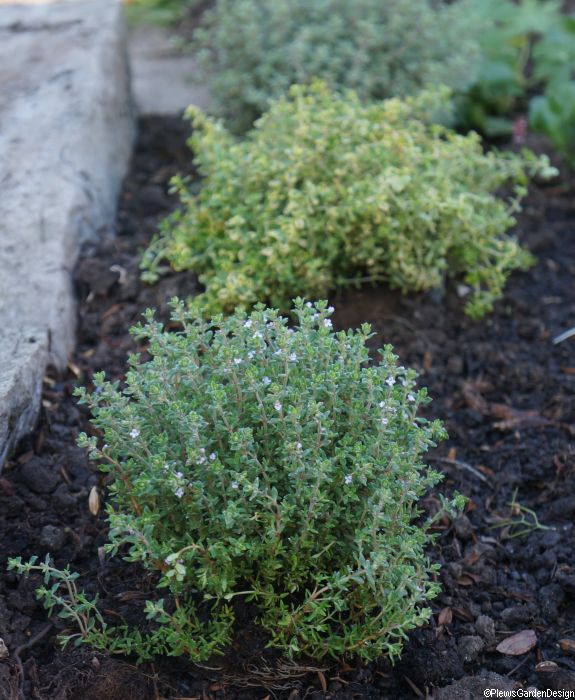
Most people consider herbs to be plants with medicinal, culinary or cosmetic uses.
However, a herb is also any annual, bi-ennial or perennial plant which has a soft stem that dies down in the winter; as in herbaceous. So which is the correct definition?
There are many woody plants that we use as ‘herbs’ – sage, rosemary and thyme for example. The potentially conflicting definitions needn’t worry us in so far as we’re not here to discuss the naming of plants (taxonomy) but the uses of them.
So herbs are plants with medicinal, culinary or cosmetic uses. This still gives us a huge range of plants to consider. Some are useful in mainly one category, willow (Salix) for medicine, for example; but many have both culinary and medicinal uses, such as nettle (urtica dioica); whilst some fall into all three categories: Lavender is one of these.
The Benefits of Herbs
The benefits of herbs have been documented for thousands of years, with remedies for ailments often being passed down through the generations. Culpeper’s Herbal (1653) is one of the more famous, and documents both the plants themselves and the ailments which they can help treat; ‘simples’ is the term Culpeper uses for a remedy. ‘Simple’, meaning a simple recipe with only a few ingredients, was a term disparagingly used by the medical profession who had been university educated, to describe ‘country remedies’.

These simples had (and have) been in use for hundreds of years and haven’t ever really gone away. For example, have you rubbed a dock leaf on a nettle sting? The dock leaf when crushed and rubbed on the sting releases an antihistamine which antidotes the histamine in the nettle sting; although the knowledge of the reason is more recent, the cure is historic. Many of the common names of plants refer to their usage as a remedy; ‘feverfew’ (Tanacetum parthenium); ‘knitbone’ or Comfrey, (Symphytum officinale) for fractures.
Medical research has led to the development of modern drugs based on herbal remedies; for example, aspirin (acetylsalicylic acid) which was developed from Willow bark and the flower heads of Meadowsweet (Filipendula ulmaria), both of which contain salicylic acid; the word itself coming from the Latin for willow – Salix. The ancient Egyptians used willow bark in this way; often brewing a ‘tea’ which the patient drank to reduce pain and fever. Willow and meadowsweet both prefer damp growing conditions, so could be a choice if you have a reasonable sized damp area and are not sure what to grow, or would like to extend your herb garden.
Nettles
I love nettles, such a useful plant. They provide nectar for butterflies and other beneficial insects; act as a compost activator, plant food and soil improver.

The dried leaves have anti-histamine properties, ie they take away the itch as distinct from causing it! Nettles are are a good source of vitamins A and C, plus iron, potassium and calcium. Nettles can be foraged or grown as food and drink for the table, offering salads (very young leaves only!) soups, stews, tea and of course wine.They will grow in most places, but really thrive in rich soil, which is why you so often see them around compost heaps. A small nettle patch is a useful addition to most gardens.
Lavender
Lavender is a favourite garden plant for many. The purple flowers are a positive bee magnet; and dried they not only scent stored clothes, but have helped reduce moth eaten fabrics for hundreds of years. An infusion of lavender can encourage restful sleep as it slows down the nervous system, enabling relaxation. A bath in lavender oil for this reason is an ancient remedy and the remedy may be older than the herb’s name; the Latin for ‘wash’ is ‘lavare’.

Culinary uses for Lavender are less common in modern times, but lavender shortbread is a treat; it also adds a piquancy to lamb if used instead of rosemary. Lavender can be used to treat burns, stings and is antiseptic. Used as an evergreen hedge it has great decorative effect in the garden and has been known to deter deer so may be useful as a boundary hedge alongside your fence.
For more ideas on how to grow and use herbs in your garden, try our gardening lessons or ask about a planting design.
Related Gardening articles you may enjoy from our Award Winning Blog
Herbs – a potted garden history
Garden Visits – Acorn Bank Garden
Garden Visits – Downderry Nursery