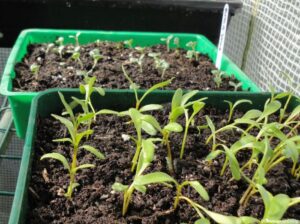
Seedling problems looks at some of the issues you may have when propagating from seed, and offers solutions and tips to help you whether you’re growing vegetables, flowers or both.
We’ve looked at sowing seeds both indoors and outside in other Plews blogs (see links at the end). But once the seeds have germinated and produced a seed leaf or two above the surface, they become seedlings. These seedlings are on the one hand, tough little blighters able to cope with all sorts of weather conditions, And on the other, they’re delicate beings in need of much care and attention and prey to all manner of problems. All of which means they need different attention from us, the gardener, hence this blog to offer some help.
Seedling Problems – Indoor seedlings
Indoor propagation of seedlings, whether that’s in a greenhouse, cold frame or on a windowsill, is where many people encounter problems and ask us questions. It may be that it feels more structured approach, so beginner gardners feel more nervous. Possibly it’s because more expense is incurred – especially if you’ve just got a new greenhouse! (For cost saving propagation tips see blog link below).

The following are the more common problems that may occur.
Damping off
This is quite a common cause of seedling death and is caused by a number of fungal infections, however the result for the seedlings and the gardener is the same.
Do you perhaps recognise this scenario?
You go to water your seedlings in the morning and find that they’ve all keeled over from the base and died. There’s probably a white fungal growth around the stems.
Damping off is caused by a number of soil and water-borne fungi that thrive in very wet or muggy conditions. Although it is common, there are things we can do to reduce the likelihood of it happening.
Main Preventative methods: –
- fresh growing media
- clean seed tray and pots
- good air circulation
- do not use rain water that’s been sitting in the water butt all winter
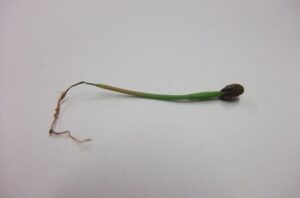
Mouldy Potting Compost
Seedling problems are not always directly caused by the green or white mould you may find on the soil surface. However, you should consider this a warning sign that conditions at the root zone are too wet. (Yes, you’ve probably been overwatering).
Firstly scrape off the mould and then improve air circulation around seedlings. For example by opening up all vents in the greenhouse, or opening propagator vents during the day.
Garden Teacher Tip
Surface mould is less likely to occur when you water the seedlings from below. If you have seed trays and pots sitting in gravel trays, then water into the gravel tray. You’ll need to check back and when there’s moisture on the surface of the potting compost, lift them out.
Leggy Seedlings
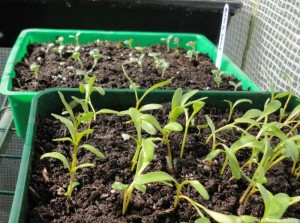
If your seedlings are becoming tall and spindly with large gaps between the leaves on the stem, they are becoming ‘etiolated’. This means they are not getting enough sunlight in order to grow strong, and to photosynthesise.
For example, you may be giving them bottom heat but they may be on a lower shelf in your greenhouse or conservatory, or in a cold frame that is in too much shade. Swop them around with some of your other trays of seedlings and the problem should resolve itself.
Another reason could be overcrowding as this would encourage the seedlings to grow tall to claim their share of the sunlight. One prevention method is to not sow too many seeds in a tray or pot in the first place. Another is to prompt with thinning out seedlings when they’re a bit bigger.
What’s that flying around and landing on the soil?
They’re probably fungus gnats, Bradysia. Whilst the adults don’t damage plants, their larvae may well feed on the roots of your seedlings.
Prevention tactics are best of course –
- good hygiene
- allow seedlings to dry out slightly between waterings as the gnats like dampness
- hanging up yellow sticky traps close to soil level will catch the adults (and possibly shock you with how many there are!)
- if they are a problem, covering up newly sown trays and pots will deny the adults access to lay eggs in the potting compost
Garden Teacher Tip
It is possible to spray seedlings with a mild garlic spray to reduce the likelihood of infection from pathogens and to prevent aphids such as greenfly from infecting the young plants. As always, follow the instructions whether you use ‘organic’ or ‘chemical’ treatments.

Why are my seedling leaves turning yellow, white, brown?
This problems is caused by one or more of the following: –
- overwatering
- underwatering
- too much humidity
- fertiliser burn
- sunburn
What are ways of resolving these issues?
Watering
Overwatering is more likely to kill off your seedlings than under watering. Watering in the morning is better than watering them in the evening as the seedlings are doing their growing during the daylight hours so are using more energy and a greater need for water.
Garden Teacher Tip
I like to run a 2 gravel tray system if I have space. The flat based one is where the watering takes place. The ridged base is where the seed trays sit when not being watered as then any excess water can drain away.
Seedling Problems – too much humidity
If your seedlings are in a closed environment, a propagator for example, you may notice a browning of the leaf tips. This is likely to be a sign that the humidity levels are too high.
For many seedlings, removing the cover altogether once the first true leaf is seen resolves the problem. Although keep an eye on the weather; you may need to cover them up overnight as a sudden drop in temperature can be detrimental.
For tomatoes, peppers and others that like a steamier atmosphere allow air into the propagator during the day. Some have valves that allow you to do this, otherwise prop the lid open for at least part of the day.

Fertiliser Burn
The easiest way to prevent this problem is by not watering with a liquid feed. Obviously, seed compost is low in nutrients as the seeds come with their own starter supply. But by being prompt with thinning out seedlings into a richer potting compost, you shouldn’t need to feed them.
Sunburn
I know, it sounds crazy! But most seedlings do not thrive in direct sunlight, especially when its coming at them through extra layers of glass that intensify the effect.
Move the affected seedlings to a less sunny spot. And make a note to move your seedlings around on a regular basis so they none of them suffer.

Seedling Problems – Outdoor seedlings
Outdoors the main problems seedlings face are slugs, snails, pigeons, foxes, frost, lack of watering, too much rain and wind. The list is not definitive…it makes you wonder how any of them survive to be plantlets rather than seedlings, let alone grow into mature plants!
Frost
Frost is relatively easy to deal with in the shape of horticultural fleece or a cloche. If the cover has to be on for a while, fleece will let rain through thereby saving you the chore of watering. It can be used over a cloche frame instead of glass or plastic, so your outdoor seedlings can be protected for longer as they grow.

Soil
Gardeners who have a clay soil may have a better success rate if seeds are sown and seedlings raised in a separate seed bed. (See Sowing seeds in your garden link below for seed bed preparation).
Alternatively, create a shallow raised bed specifically for seedlings This can be less work than a seed bed, as you can import a fine soil rather than spending hours improving heavy clay. The downside is the cost.
There can still be seedling problems even when they’re growing in well-drained soil. This problem concerns the soil pH , ie how acid or alkaline it is.
Your seedlings need to grow in soil of the correct pH for them so they’re able to access and absorb the soil nutrients. You could have two seed beds, one with a more acidic soil, one with a more alkaline. Brassicas, for example need an pH 7 and over, an alkaline soil. Of course this can be a nuisance and you may not have space for two seedbeds. In which case, base the pH on the requirements of the vegetables or flowers you want to grow. If in doubt, pH 6.5 – 7 will suit a wide range of plants.

Garden Pests
A covering of fleece stops pigeons from pecking at your growing seedlings but may not prevent foxes from playing or sleeping on the fleece (thoughtful of you to provide them with a rug!) If foxes, rabbits, deer and other larger pests are the problem, you will need initially to peg the fleece down firmly and regularly check for rips.
Spraying the fleece with a citrus or hot pepper solution should help to turn away foxes and deer when they get too close. You’ll need to repeat spray, especially after rain. NB the spray doesn’t suit all seedlings, so check by spraying over just a few to test it out.
If you really have problems, resorting to a physical barrier may be the only solution. This may be fencing or netting cages depending on the pest or pests.
Slugs and Snails
- Setting traps and barriers around the area where your seedlings are growing is the first line of defence and is another good reason for having a designated seed bed.
- Upturned grapefruit halves and beer traps may entice the slugs away from your precious seedlings. Barrier methods include coffee grounds, egg shells and sheep’s wool. If you have raised beds, copper tape can be effective stuck around the frame.
- Other tricks include spraying the seedlings with a mild garlic spray on their foliage. This seems to dissuade the slugs and snails from nibbling too enthusiastically.
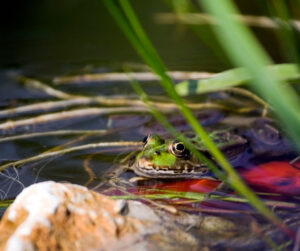
- If you have a pond consider growing your seedlings near it – frogs and toads are keen predators.
Other problems
Outdoor seedlings can also suffer from fertiliser burn. As a nutritional boost may be necessary, be sure to read the instructions on the packet before applying. And if in doubt, make the solution more dilute.
And finally
For further gardening advice and inspiration, on seeds and what happens when they become seedlings, start with the blogs and video below. More ideas and gardening advice can be found in other Plews Potting Shed blogs and our monthly Tipsheet . You could come and find us on Instagram – @plewsgd Pinterest and Facebook too.
And on that note, you can have a peek at my garden in the (new) Instagram account @spitfiresandslowworms
And if you’d like some personal help, we offer a mix of practical sessions and theory in our bespoke Gardening Lessons and Courses. There’s a blog link below plus a pdf download with more info
Related Gardening articles you may enjoy from our Award Winning Blog
Seeds, Seedlings
Sowing Seeds Indoors – what you need and what you don’t
Collecting Seeds from Your Garden
10 Hardy Annual Flowers to Grow from Seed
Gardening
Why Do We Grow Vegetables in Rows?
Crop Rotation – Growing Methods for Gardeners
What might a Plews Gardening Lesson be Like?
Gardening Printables
Seed sowing record for veggies
Seed sowing record for flowers
Plews Gardening Lessons Information