

Warm weather, warm soil, rain, sunshine all make the garden grow. The downside is that this is as good for weeds to grow in as it is for ornamentals and vegetables
So will the weeds win the war this summer? Weeds – whether they’re perennials, bi-ennials, annuals or ephemerals they’re all after growing in your garden where you least want them…
To start with, a few words of explanation; the links will take you to our Gardening Glossary for a fuller description of the different types of plant:
Perennials – are plants which live for years; for example, bramble
Bi-ennials – live for two years flowering in the second; for example, spear thistle
Annuals – flower and set seed in one year; for example, common chickweed
Ephemerals – many generations in one season; for example, groundsel
Chemical or Organic Methods of Weed Control?
Your first decision is whether to choose chemical or organic methods to deal with your weeds.
If you’ve always used chemical weed control and are alarmed by the decreasing number of products available to you; or if you’re not sure if you’re ready to become fully organic, you could try an integrated scheme. This is where you use organic, cultural, biological methods first and move onto chemical later if / when you need to.
This is more officially known as Integrated Pest Management or IPM. Primarily used for the control of garden pests, the concept of this approach also works for weeds.
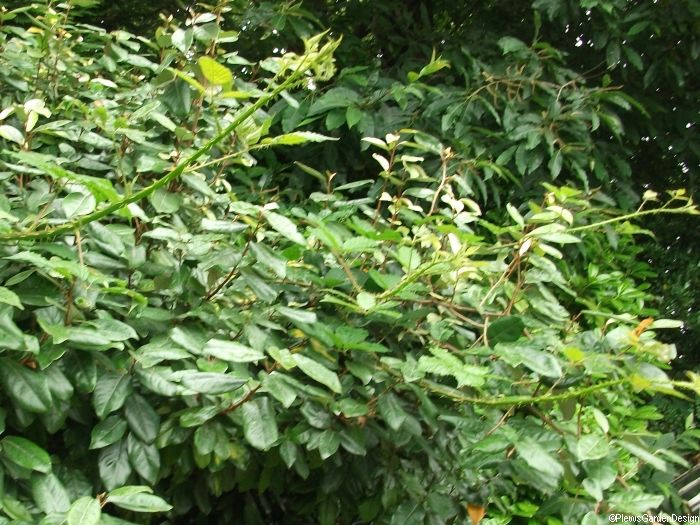
By taking this line of action, you work with your garden rather than feel it’s fighting you. It is an organic approach. It may not be necessary to reach for the hardline chemical weedkiller at all. This has to be better for you, your family, your pets, the garden wildlife and the planet. Prevention is best, so getting started now is a good plan.
Let’s start on the basis that your soil is in good heart, full to bursting with organic matter and friendly worms. If you ‘re not sure, check our helpful tips in the Soil section of Plews Potting Shed.
Healthy soil will lead to healthy plants. By ensuring your plants are healthy, they’re more able to fight off attacks by pests and weeds and survive.
‘Right Plant, Right Place’ – also leads to healthy plants. For more on this, have a look at Is RHS Chelsea more eco-friendly then Your Garden?
Where weeds are concerned, cultural methods are a simple, effective method of control.

Annual and Ephemeral Weeds
Regularly hoe or pick out annual weeds whilst they’re still small. This is the simplest method of keeping annuals and ephemerals in check. It is particularly important to get remove them before they seed – “one year’s seed is seven year’s weed” – an old but very true saying.
Biennial Weeds
It’s best to catch the biennials in their first year when they have foliage only, usually a clump of leaves. if they are in their second year,then dig the plant out before it sets seed. You can let it flower, as many weed flowers offer a nectar food source for bees and other beneficial insects.
Perennial Weeds
Hand dig out perennials such as dandelions to be sure of removing the deep tap root. You can use a special tool, often referred to as a dandelion grubber, to more easily dig out the tap roots of perennial weeds. If you have a bindweed problem it may take several seasons to eradicate; the roots go down a long way and can re-generate from a small piece.

The perennials are the point at which many people understandably call in the help of chemical herbicides. But there are plenty of less noxious organic alternatives available. The problem is often to avoid spraying the plants you do want when you have horsetail in between your salvias and bindweed clinging to your clematis. The answer is to start earlier if you’re going to spray or paint on a systemic weed killer, or an organic version such as strong vinegar.
Removing Weeds
Whether the weed is a perennial or an annual, weeds on drives, paths and patios can be removed by hand, or by using an organic or chemical herbicide (obviously following instructions, making the solution stronger doesn’t kill the weeds off any quicker and may harm other plants, pets and children as well as your bank balance!)

Other Tips to Reduce Weeds
Once you’ve weeded, the trick is to slow down or prevent further incursions. You could do this by increasing the competition; plant a good sized, strong, ground covering ornamental or productive plant; Geraniums for example.
Other weed-reducing tricks include spreading a geo textile membrane on plant free areas. Use on its own, or with a decorative mulch; for example, recycled chipped tyres, slate off cuts. Organic mulches such as compost, bark, or layer of newspaper can be laid directly onto weed free soil, and will over time rot down, improving the condition of the soil.
Both organic and inorganic mulches have the added advantage of keeping moisture in where it’s needed – useful as it reduces watering requirements whether or not there’s a hosepipe ban.
Finally, is it a weed?
Many of the plants we call weeds are useful culinary and medicinal plants and have been used as such for hundreds of years. They have also provided us with many of the ornamental garden plants we love through cultivation and breeding. (But that’s another blog)
If you would like a garden advice visit on how to de-weed and de-pest your garden in an easy, environmental way giving yourself more time just to sit and enjoy the sunshine, get in touch.

Related Gardening articles you may enjoy from our Award Winning Blog
Japanese Knotweed A Brief History of an Invasive Weed
Is Ivy Weed or Wildlife Habitat?


