How Not to Garden Organically is a bit of a teaser, a tongue in cheek blog. There’s so much out there that lectures us all on what we should be doing in our gardens. And I’m aware that many gardeners are put off organic gardening thinking it’s hard work. Even that they should really live off-grid, give up their car and mobile phone to do it properly. Sometimes the nagging can seem never ending…
How Not to Garden Organically
For the purposes of this list it is presumed that you stockpiled chemicals which have now been banned for domestic use before they were banned.
- Spray roses – at least twice a week – with mancozeb, for example
- Always use chemical pesticides that will kill off beneficial insects as well as the pests
- Cut back and dead head all flowering plants so there are no seeds for bird food
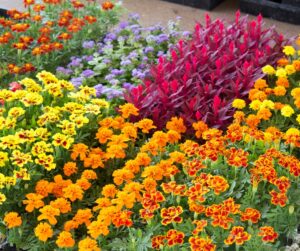
- Grow double flowers which are less bee-friendly
- Use Mossicide (Dichlorophen) to rid lawns of moss
- Spray every weed and wildflower in sight with a glyphosate-based herbicide
- And when you use weed and moss killer on the driveway don’t worry about run-off onto the pavement. It doesn’t matter if the street tree gets some, it’ll be fine
- Don’t bother with a compost bin
- Use peat-based mixes in your potting compost, even for non-acid loving plants

Peat-based or Peat-free Potting Compost?
What is all the fuss about peat bogs being used up you may ask. If that was the case would peat-based composts still be available to buy at the garden centre? Oh they’re stopping the sale of them at the end of 2024? Why?!
“The average 75l bag of peat based multi-purpose compost has taken up to a hundred years to be formed in the peat bog and has been busy absorbing and storing carbon di-oxide. As a rough comparison, the amount of carbon di-oxide stored by that 75l bag is equivalent to that sent into the atmosphere on a 200 mile car journey.”
Yeah, yeah. It means I’m going to have to stockpile this as well. You’ll need to come with me, as we’ll have to load up two cars to get a decent amount of bags. And make sure you check the label! If it doesn’t say peat-free it isn’t, so buy it.
Synthetic Sprays – Pesticides, Herbicides, Fungicides
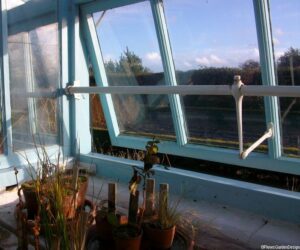
Are e-cigarettes as effective as nicotine in killing off the pests in your greenhouse? Can red spider mite get hooked on the smell of pipe tobacco? Worth a try. So what if you kill the ladybirds you’re spraying against aphids. It’s not like they would have eaten the aphids, is it? Keep a carnivorous plant in the greenhouse to eat the flies? Are you crazy?
And you can’t beat weed killers, the stronger the better to get rid of all those nettles and bindweed. It’s a lot easier than digging them out. You’d have to do that at least every week in the growing season. Whereas you only need to spray monthly. Well, sometimes fortnightly during the summer. Could do with a stronger mix really as the weeds keep growing through from that bit of waste ground on the other side of the fence. It’s a real nightmare out there, lots of those pink flowers and that buddleia, flipping butterflies everywhere. No wonder my cabbages get eaten, there’s lots of insects on that waste ground.
No, don’t let the kids eat the strawberries yet! Some of the fungicide spray may have drifted onto the ripe fruit. Leave it for a couple of hours. Oh, hold on, I’ve just read on the packet not to eat fruit for two days after spraying. Sorry about that – I didn’t read the instructions you see…

How Not to Garden Organically – IPM
IPM is short for Integrated Pest Management. This is where cultural and biological methods of control are used as your first line of prevention and defence. However, there may be times when, if you’re following an IPM system, that synthetic methods, aka chemical pesticides, are used – very much as a last resort.
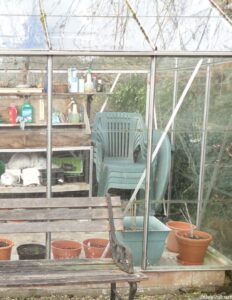
But, you know, there are some organic gardeners who can be overly evangelical as to what is ‘allowed’. They’re the ones who’ll turn you into a pariah and tell all their friends how you’re a bee murderer. It’s obviously easier to not be organic at all than to sometimes ‘get it wrong’. Thinking about using the greenhouse that was here when we moved in as somewhere pleasant to sit in the winter anyway. Then I could buy in plug plants rather than sowing seeds.
Don’t bother with a compost bin
“Feed the soil not the plant”
Really? Where do some of these ideas come from? Shall I go out and offer fish and chips to my soil on a Friday evening? Oh! You mean add organic matter like compost.
Well, you don’t want a compost bin. They’re messy, encourage rats and they smell. And there are plenty of synthetic liquid fertilisers you can buy which will help your plants to grow in the short term. That’s all you need, isn’t it?
Flowers, Seeds and Wildlife in Your Garden
“Pollinating insects” – bit of a buzz word if you ask me. Nah, bees are only going to get in the way and sting you when you’re weeding. Not that I do much weeding, as I spray weedkiller around the place. You see, I prefer to look at the garden and relax when I have some free time and it takes a lot of time keeping on top of the gardening tasks.
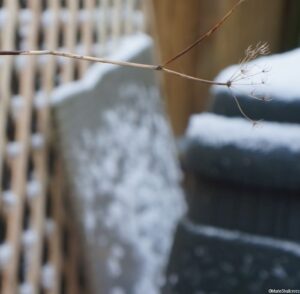
Yes you can buy in seed to feed the birds if you really want to but leaving seed heads on the flowers just looks untidy. We don’t get many birds in our garden anyway. Wasn’t there research done somewhere about lack of garden birds being the farmers’ fault? Personally, I think the best gardens are those that are neat and tidy with bare earth in between the plants and a lawn without daisies.

How Not to Garden Organically – and Yet…
It doesn’t have to be a major life change, every journey begins with a first step.
“Gardening organically need not be any more labour intensive than gardening with non-organic or ‘non-friendly’ chemicals. It is arguably easier to garden organically as you are encouraging birds, bees, insects, mammals and even the plants themselves to do a lot of your work for you.”
So why write about “How Not to Garden Organically”? Perhaps to stimulate conversation about the pros and cons of a sensible approach to gardening in a more sustainable way. Have I succeeded? Let me know if you’ve had a coffee time conversation about organic gardening and what conclusion, if any, you came to.
and finally
If you’d like help creating an organic garden design or have queries regarding your existing garden, do get in touch to ask about our design and consultancy services.
But if you’d prefer hands-on personal help from yours truly, with a mix of practical sessions and theory in our bespoke (and organic!) Gardening Lessons and Courses check out the blog link below plus link for the pdf download with more info.
For further gardening advice and inspiration, ideas for organic pest resistant gardens and more, check out Plews Potting Shed blogs, including the selection below and our monthly Tipsheet You could also come and find us on Instagram Pinterest and Facebook
And on that note, you can have a peek at the progress of my garden renovation, Spitfires and Slow Worms, on Instagram and Facebook You may even get to see it in person later this year / early 2025 as I’m planning a couple of workshops. I had hoped to do that already but house renovations have been as big a thing as garden reno so there hasn’t been the room. Keep an eye on the website and social media for an update.
Related Gardening articles you may enjoy from our Award Winning Blog
Compostable Packaging – Can You Compost it in the Garden?
Peat free compost – are you still confused?
Compost, Soil and Fertilisers
Making Liquid Fertiliser from Weeds
Compost Bins – Pest Problems and Prevention
Some Wildlife Friendly Plants
Buddleia – Butterfly Bush or Beast?
Is Ivy Weed or Wildlife Habitat?
6 Bird Friendly Shrubs for Your Winter Garden
Gardening Courses and Lessons
What might a Plews Gardening Lesson be Like?
Plews Gardening Lessons Information
Wildlife Gardens and Gardening
Wild about Gardens – Design Ideas for Humans and Wildlife
10 Purple flowers for Wild Bees
Creating Small Wildlife Habitats in Your Garden