

Peat free compost is not a new trend in the gardening world. However, there are developments and new products which gardeners need to be aware of, so they can make informed choices as to which is the best to use for seeds, cuttings and plants in their gardens.
The average 75l bag of peat based multi-purpose compost has taken up to a hundred years to be formed in the peat bog and has been busy absorbing and storing carbon di-oxide. As a rough comparison, the amount of carbon di-oxide stored by that 75l bag is equivalent to that sent into the atmosphere on a 200 mile car journey.
A little history of peat based and peat free compost
Prior to the 1970s, most bought in compost for the home gardener was peat free or at least low in peat content; it was loam based. This was largely due to the success of the John Innes formulae in the 1930s which had created a consistent and reliable growing medium. There are different mixes for different types of use; for example, John Innes seed mix is lower in nutrients than John Innes number 3 which is for re-potting of mature container plants. One reason why the John Innes soils have been so popular is because they offered a dependable growing compost at a time when these were not generally available.
Now, whilst there is an amount of sphagnum moss, ie peat, in the John Innes mixes so it is not peat free, it is still a much lower proportion than many of the multi-purpose composts on sale. They may be made of 70 – 100% peat. This is an eye- opener! So when you’re looking at poorly labelled multi-purpose potting compost and it says ‘reduced peat’ you may be thinking there’s not much peat in there – 25% tops maybe. Whereas the reduction might only be from 100% to 80% – a high peat ratio makes a cheaper product as it requires less preparation than many of the recycled and green waste alternatives.
So what did gardeners use before John Innes mixes and the rise of peat based composts in the 1970s? They used homemade compost and soil mixes. The downside of soil mixes which were not sterile and might have viruses which would be passed onto the new seedlings grown in the mix was another reason why the sterilised John Innes mix became so popular. But the newer green waste, coir and other peat free alternatives are reliable and the best meet stringent requirements laid down by the Soil Association and government legislation.
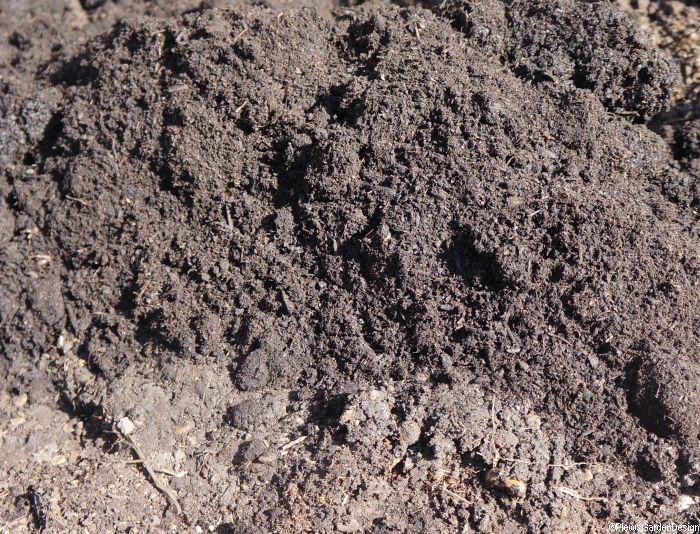
So what should we be using in preference to peat based composts and growing media?
Here are a few peat free compost suggestions for you; some free, some expensive. Depending on the growing medium chosen, it may be better suited to tasks such as seed sowing than others. They are all either a by-product of a manufacturing process, or from a sustainable, renewable source.
Home grown compost
There are different methods for making your own compost. For example, the ‘standard’ compost bin of wooden lathes or recycled plastic, bokashi bins, wormeries. Hopefully one to suit your lifestyle and the space available in your garden.
Homemade compost can be added to garden soil or bought in top soil to use in containers and for growing on cuttings. Many gardeners (myself included) make their own custom mixes from garden soil, leaf mould, compost, perlite and so on. A grown up version of mud pies, perhaps
Wood chippings / bark
A by-product of the timber industry, bark chippings are usually from conifers such as pine and spruce. . Good for opening up the soil, the large pieces make it less useful for seed and cutting mixes. NB: the bark of some deciduous trees is toxic to other plants
Coir
Coir has been used in growing media since Victorian times. Another by-product, coir, is usually compressed and transported from Sri Lanka, India and so on by ship. Thereby keeping the carbon footprint fairly small. Its texture helps to promote root growth making it good for growing seeds and cuttings
Wood fibre
Manufactured wood fibre is produced from wood chippings that have been subjected to sufficient pressure that turns then into a fluffy fibre.
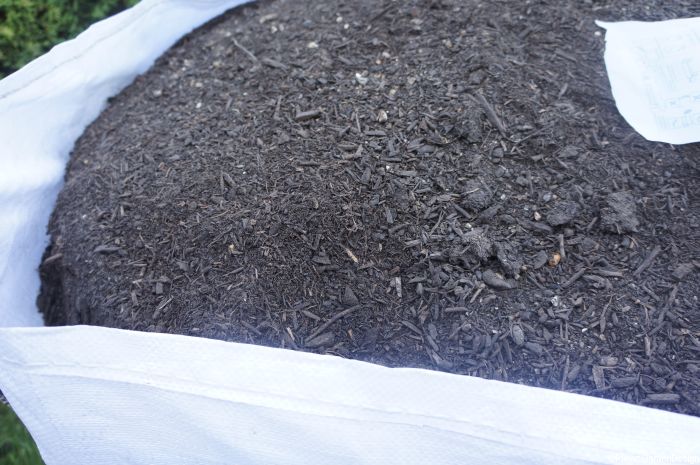
Green compost / green waste compost
Green compost is made from recycled shrub prunings, lawn mowings and other green garden waste at commercial composting facilities. High temperatures as part of the process kill off most of the weed seeds. The garden waste you take to your local tip or have collected by the council is generally turned into green compost. Some councils give residents a number of free bags. Most sell the green compost cheaply to residents as well as using it in local parks. There is a caveat – this is not guaranteed peat free, although there shouldn’t be any soil in the mix there mighht be and it might be peat. On a positive note, you are at least re-using the peat (if any).
Sheep’s wool
One of the newer commercial additions to the peat free compost, sheep’s wool is rich in nitrogen. The only current supplier (at time of writing), Dalefoot composts, are actively encouraging the restoration of existing peat bogs and the formation of new peat bogs. Their compost is mixed with bracken.
Bracken
Bracken has long been used as a soil improver. High in potassium, old animal bedding, a mix of bracken and animal manure provided rich compost for the farm and walled garden. There are concerns over the carcinogenic qualities of bracken, notably in the spores. Check before you collect bracken for use. Bracken from acidic soils is an excellent peat substitute as it has a naturally low pH.
Buying Peat free compost
The above are specific elements that are generally mixed together to form a potting compost or growing media. If you like the easy life you can just want a bag of peat free compost. The critical thing is to check the labelling before purchase.
‘Organic’ is not the same as peat free. Many labels say ‘peat reduced’. However, they should state the amount of peat in the mix. Contains 75% peat is not a very good ratio!
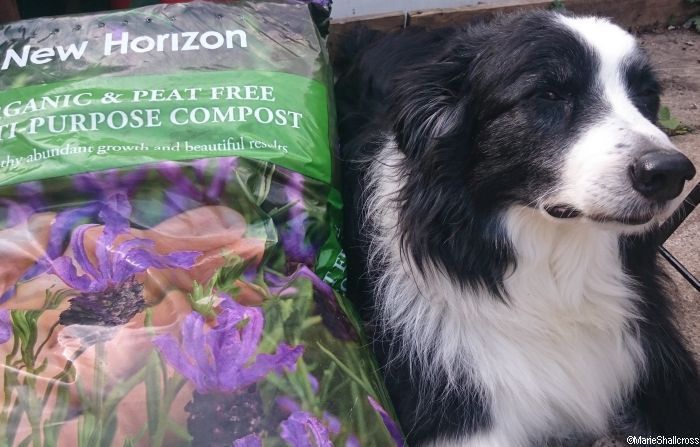
Nevertheless, there is a wide range of choice for peat free, including vegetarian and vegan options. GroChar, Traidcraft, New Horizon, Vital Earth and Fertile Fibre (vegan) are just some of the options. I use and suggest to clients variety of peat free composts as availability is sometimes an issue.
The Royal Horticultural Society (RHS) supports and informs amateur gardeners so we can progress towards the Defra target of a total withdrawal of peat use by amateur gardeners by 2020.
We can all do our bit in ceasing to use peat in order to minimise the effects of global peat extraction on peat bog habitats. For example, insist that your local garden centre offers a good selection of peat-free composts.
Why not find and follow us on your preferred social media – Instagram Facebook Pinterest
And lastly did you know there’s a monthly Plews News with topical gardening tasks and ideas? Get yours here to be kept up to date about peat free gardening
Related Gardening articles you may enjoy from our Award Winning Blog
Soil – the plant food in your garden
Soil Preparation – Double Digging
Composting – a load of rubbish?
Compost – the smell of a successful Garden


