

Garden moles – love em or loathe them. What, you haven’t expereinced this scenario? Where you go to bed with a smooth lawn and wake up to new mountain range in your back garden…
That is probably an exaggeration. Moles usually take a few days to fully turn your lawn over, rather than manage an overnight job as they tend to be solitary creatures. You may have a family of garden moles of course, but look on the positive side: this also means you have lots of worms – mole food – which is a big plus for your soil and therefore your plants.
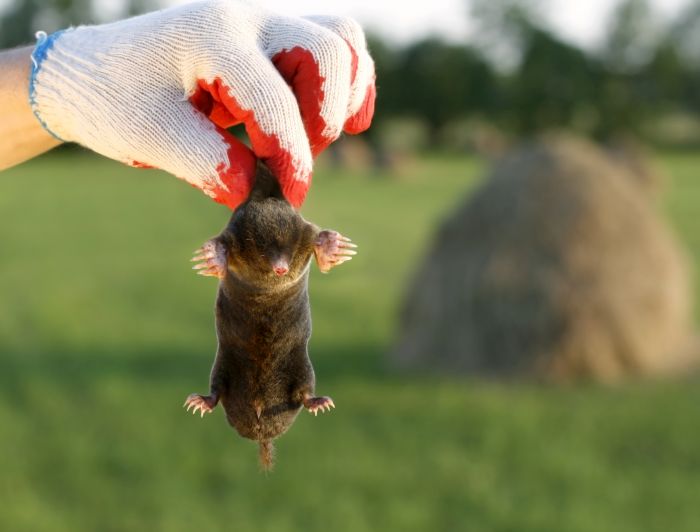
“Hang spring cleaning” was Mole’s comment at the beginning of Wind in the Willows, Kenneth Graham’s classic children’s novel. But the mole in reality is busy for most of the year. They need to eat roughly 70% of their own bodyweight every 24 hours (which is more than even Plews’ own Nathan consumes). They predominantly eat worms but also enjoy the larvae of insects like chafer grubs which will decimate your lawn. Garden moles will even lunch on slugs.

©iStock.com/Tramper2
Garden Moles and their tunnels
However, garden moles do not eat plant roots. This common myth results from the collateral damage done to the plants by the moles’ tunnelling, which disturbs and potentially uproots plants and seedlings in the borders.
The small but impressive European mole (Talpa Europea) can shift six kilos of earth in just 20 minutes and tunnel up to 20 metres in a day. So those piles of freshly excavated earth hide a huge underground system. These tunnels are the real problem caused by garden moles as they can literally undermine not only lawns and allotments but also sports fields and canal banks.

On the plus side, once excavated, the tunnels are often used for many generations of garden moles. So it should be possible to live with your mole family. Especially if they’re eating those slugs that attack both ornamental flowers such as dahlias and sweet peas as well as our vegetable and salad crops.
And there’s another positive for the organic and wildlife friendly gardeners among you. Those molehills with their freshly sifted topsoil are an attractive source of food for insect-hungry birds. Suddenly our little burrowing pest can be seen in a new, eco-friendly light: helping to control pests in the garden and allotment, and encouraging birds into our gardens.
The tunnels and holes created by the garden moles can help aerate your soil too. If you’ve just moved to a garden on compacted soil, you may welcome a few agrden moles. A downside is that the sensible mole prefers to dig in lighter soils rather than heavy clay, where drainage is more of an issue, and tunnelling might actually be welcomed.

A few eco-friendly ways to deter garden moles
However, if you don’t want moles in your garden, and you’ve got them, what can you do to discourage them and hopefully send them away?
- Moles hate noise and vibrations, so encouraging your teenagers to have a party and dance over the tunnels could be one solution… Doesn’t appeal?
- Okay, what about beating the back of your spade over the tunnel route? It can work, but is a bit time-consuming, to say the least.
- Sonic devices are a possibility, and can be a good solution. However, they are less effective if you have cats or a dog as your own pets may dislike the sonic disturbance.
- Moles dislike strong smells so you could try lightly crushing garlic bulbs to release the scent, digging in to a molehill and dropping them into the tunnel.
- Spraying cayenne pepper into the tunnels is supposed to be even more effective.
If none of the above treatments and tricks work in ridding you of your garden moles, then we would recommend you contact a Mole Catcher, as they’re the experts in this area and have many more tricks up their sleeve. There is a list of Registered British Mole Catchers so you should be able to find one near where you live.
Speaking personally, I have been bothered by moles in previous gardens and learned to live with them. I made myself think of the positives and I was lucky that, barring the lawn disruption, it wasn’t a problem. If anything, the dogs digging up the molehill was more of a nuisance!
©iStock.com/Tramper2
and finally
However, I can empathise with those, like Jasper Carrot the comedian, who had to take extreme measures. If you wish to find a way to laugh about your garden mole problem, check out his tale of moles on YouTube.
For further gardening advice and inspiration, check out Plews Potting Shed blogs, including the selection below and our monthly Tipsheet – You could come and find us on Instagram Pinterest and Facebook too.
And lastly, if you have an issue with moles using your garden as a new version of the London underground or any other garden queries, why not ask us to organise a Garden Advisory Visit or Garden Consultation? Check out our Garden Consultancy service options, including zoom, here
Related Gardening articles you may enjoy from our Award Winning Blog
Garden Pests and Predators blogs –
Garden Pests and Predators – an introduction
Foxes –Garden Pests and Predators
Snails and Slugs – 5 tips for dealing with the molluscs
Organic Gardening and Vegan Gardens
How Not to Garden Organically
What is Organic Gardening?
How to Grow Vegan Herbs
What is a Vegan Garden?
Companion Plants for Roses
And a flash fiction short story for summer –
A Walled Garden on a Summer’s Afternoon


