There is always some point in our gardening life when we need to economise. With the title of 7 plant-savvy tips for budget gardening, this blog is, as you’d expect, filled with easy ideas for saving money! Whether the boiler needs replacing, or you’re saving up for that dream holiday or even a major re-design of the whole garden, you’ll find some helpful tips here.
The focus is on plants rather than other aspects of gardening, but check out the blog links at the end for more info on particular tips.
7 Plant-Savvy Tips for Budget Gardening #1
Do your homework. By which I mean, before you start buying anything, sit down make a list of your priorities; do some research, amend the list and then start.
For example, if you’re purchasing plants, you’ll save money by buying plants which like the conditions in your garden. Yes it’s the ‘right plant, right place’ mantra, but if you buy an acid loving bare root blueberry bush and plant it in alkaline soil, it’s hardly a bargain or cost effective gardening when it dies in a few months without providing you with any tasty fruit!
Tip #2 Plants from Nurseries and Garden Centres
Bare root plants
If you need to buy a lot of plants, look for bare root ones! Online nurseries in particular offer bare root trees and shrubs – including roses and fruit trees – and herbaceous perennials. These are usually available from the end of November to March and are cheaper than their container grown cousins. You may grab an even bigger bargain by buying from mid-February, when nurseries are keen to get the stock sold.

Plug plants
Plug plants are those tiny plants that need to be mollycoddled for a while before they can be planted outside in containers and vegetable plots. Sometimes they’re an economical way of gardening as you can buy plants that will cost 2 or 3 times as much in another month.
When you don’t have space to grow plants from seed you may be tempted by plug plants and they can be extremely useful. But remember that they will need frost free space and potting on into larger pots before they can go outside.
Garden Teacher Tip
Look carefully at the labels. You may be surprised how many perennials are sold as bedding plug plants: Fuchsias in particular. Now that is a bargain!
Tip #3 Plants from Charity Sales and Friends
The feelgood factor comes when you visit a garden open for charity and are inspired by the lush herbaceous borders and productive vegetable plot. Then you scoff delicious cake and come home with a few plant bargains. Works for me…
Other gardeners hold regular Charity Plant Sales or have a selection of plants plus ‘honesty box’ in their front gardens.
Local Garden Clubs, Horticultural Societies and the touring Plant Fairs are other good opportunities for a bargain and finding unusual plants. As well as an actual plant sale held by the society, speakers at the garden clubs often bring plants to sell – I know I do. (At the moment mine are raising money for Guide Dogs for the Deaf).

7 Plant-Savvy Tips for Budget Gardening #4 Seeds
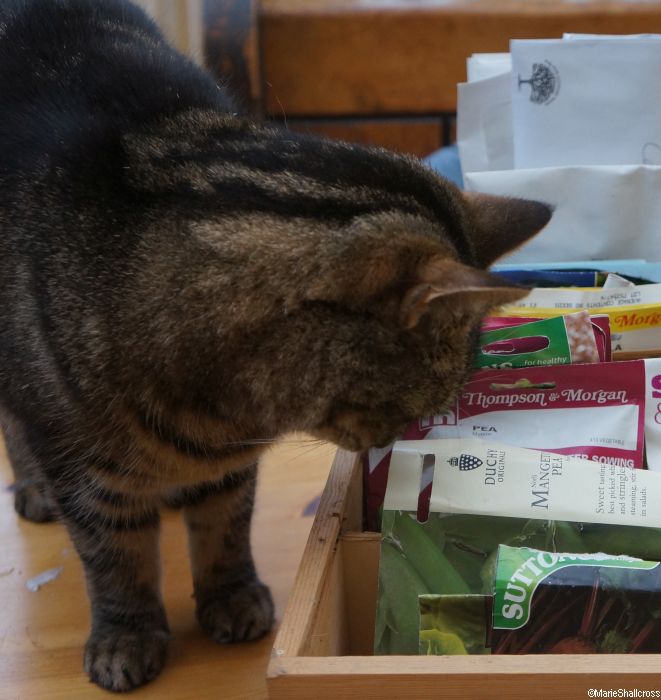
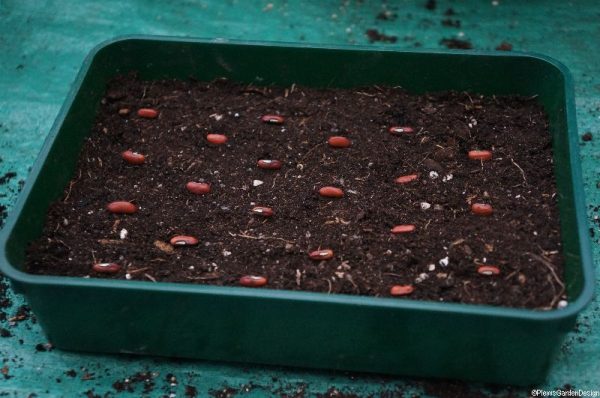
Packets of seeds are cheap, but seeds do not remain viable (able to germinate and grow) for years on end. A pack of annual flower seeds is likely to be used all at once. But you may not want 30 courgette plants…
The suggestion here is to swop seeds with friends and other gardeners. Or if you like to sow and grow seeds, swop small plants instead. Seed swaps are also popular with both small and larger horticultural societies. And membership of a charity such as Plant Heritage or Hardy Plant Society includes free seeds annually.
Those packets of annual flower seeds are also a very economical way to gain a border full of colour from late spring to late autumn. You could just sow annuals, or use them to infill between existing or new perennial planting.

7 Plant-Savvy Tips for Budget Gardening #5 Plant Pots
Whichever type they are, washing and re-using is an obvious cost-saving exercise. Both for the pots themselves, and to reduce the likelihood of transferring pests and diseases to the new plants that are to go in them.
Plastic Plant Pots
These can be painted with a matt acrylic paint to look more interesting. Larger ones can be planted up with bulbs and sunk into the border for a seasonal display. Hide out of site after flowering, replacing with different flowering bulbs, annuals or tender, later flowering perennials
Clay Plant Pots
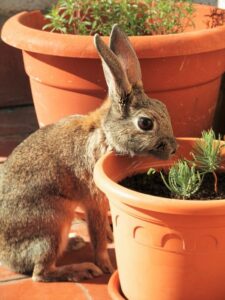
Apart from the ‘snap up 2-for-1 offers’ a bit of sneakiness can prolong the use of your clay pots. Do not be in a hurry to discard cracked pots. Place a plastic pot inside to protect the plant and soil whilst enjoying the look of terracotta.
Whilst we’re on the subject of cracked pots, they can add a vintage feel to your garden. As can other containers such as galvanised buckets which you may still find at a sensible price if you look around carefully.
When the clay pots are really falling apart, use them to improve drainage in other pots instead of adding grit. Or to fill up the base of large containers that only have shallow rooted annual bedding planted in them.
Make your own Pots
Newspaper is very useful for making pots. You can get a nifty little wooden mould or paper potter to do this. Or indulge in a clever bit of origami. Particularly useful for plants that don’t like having their roots disturbed as you plant the whole thin into the ground.
You can also re-use eggboxes and toilet roll and kitchen towel inners. These latter two, being taller, are good for seeds of the pea family. All of these can also be planted straight into the ground. The deeper type of food trays with holes can also be used as pots. They’re quite useful for seedlings , taking up less room than round containers.

Tip #6 Plant Saucers and Drip Trays
How to reduce both your outgoings and plastic waste! Re-use washed produce trays from the supermarket. Those without holes make drip trays and are the most useful. They come in various sizes to suit a single pot, a few pots or to support the homemade pots which can become floppy once they’re wet.
Tip #7 Plant Labels
You can make plant labels from cut up plastic of various sorts, such as yogurt cartons ( these are also good for pots) and tubs of vegetable spread. A permanent marker usually writes fine on these. Admittedly they don’t look pretty, but you can shove them into the soil so they’re not too noticeable.
Lollipop sticks – wash and use as plant labels. Although they won’t last long in damp soil so I find them more useful for labelling annual vegetables than perennial plants.
For a whole blog on plant labels and alternatives, see blog link below.

And finally…
Now you have more than 7 plant-savvy tips for budget gardening. Another bargain! Enough for you to start saving money, and possibly the planet too.
Have fun, enjoy your garden and if Plews can help you with anything, please do get in touch. For example –
Why not ask about our bespoke Gardening Lessons, where your classroom is actually your own garden? You could learn how to grow an orchard of citrus fruits in your conservatory. We can help with both gardening basics and more ‘expert tasks’, carry out worm and other experiments and for example, also show you how to plan a vegetable plot. Have a read through this pdf download for info.
And if you prefer company, there are small group Gardening Workshops to come to. Plus get your local garden club, allotment, WI, U3A or other group to ask me along to give a talk (and bring plants 😉)
For further gardening advice and inspiration, check out Plews Potting Shed blogs, including the selection below Plus we have a monthly Tipsheet (currently changing our provider, so there may be a delay) You could come and find us on Instagram Pinterest and Facebook too.
Feeling nosey? You can have a peek at the progress of my garden renovation, Spitfires and Slow Worms, on Instagram and Facebook
You’ll get to see it in person if you come to the Plews Gardening Workshops Although later dates and topics still need to be finalised, there are current ones on Eventbrite for you to book into. Follow for updates on topics and dates on Instagram, Eventbrite, Facebook
Related Gardening articles you may enjoy from our Award Winning Blog
10 Tips for Saving on Garden Essentials
10 Tips for Successful Seed Shopping
Plug Plants for Hanging Baskets and Containers
10 Tips for Buying Garden Plants
7 Uses for Old Coffee Grounds in the Garden