In all the pre-Christmas excitement, its easy to forget some gardening essentials that you’ll kick yourself about come the New Year.
Don’t Panic!
Plews is here to help with your greenhouse plants winter checklist.
For most of us in temperate zones, our winter greenhouse plants consist of some or all of the following: –
overwintering tender perennials such as –
- pelargoniums used as bedding plants
- herbs like Lemon Verbena
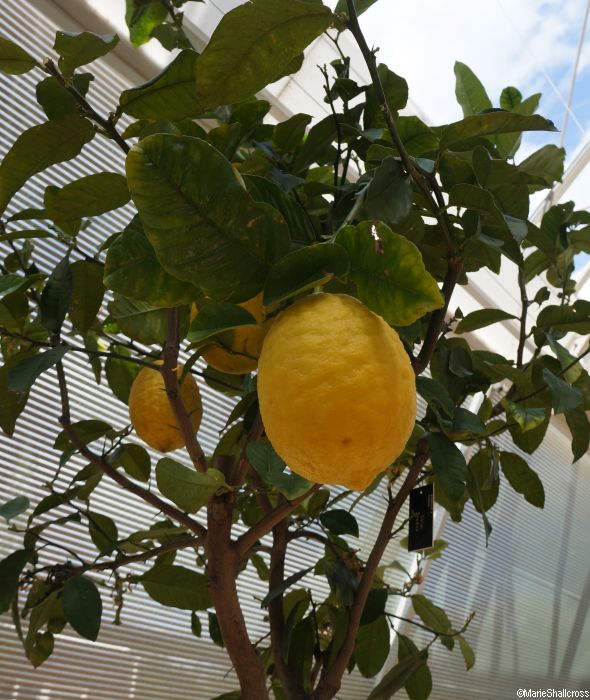
- citrus trees
and also –
- autumn sown seeds such as sweet peas and broad beans; some inside, some outside
- late summer cuttings that need extra winter protection
- spring flowering bulbs (to encourage earlier flowering)
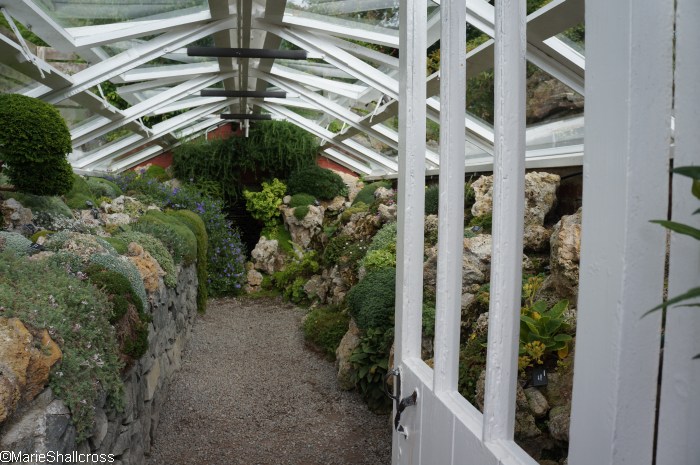
- alpines and other plants that dislike wet winters
Greenhouse Plants Winter Checklist – Light
To maximise the light reaching your overwintering plants, you need clean greenhouse panels. Marks and dirt on the panels reduce the amount of light available for your plants.
This is true whether you have glass or plastic greenhouse panels.
In an ideal world, you’d be able to clean the panels in the autumn and they’d stay clean all winter. But with storms, falling leaves and pigeons to contend with, the odds are that you need to clean the greenhouse panels again.
Soap, water and a long-handled sponge for windows make this a quick task, even for the exterior roof panels.
Remember if you clean the inside panels to thoroughly dry them to prevent too much humidity.

Greenhouse Plants Winter Checklist – Ventilation
It’s best to keep the air on the dry side and to keep air flowing around the plants. This helps maintain their health.
- water sparingly
- water the roots / soil not the foliage and stems
- on mild days, open vents mid-morning to mid-afternoon
However, do remember that you may need to adjust the ventilation, as depending on your heating method, humidity may be increased.
Greenhouse Plants Winter Checklist – Pest and Diseases
You know its cold outside when your greenhouse is home to all the pests and diseases in the neighbourhood!
Ideally, your autumn greenhouse tidy-up has helped to keep surfaces and floor clear. But if you’re like me, you’ve still put things down and forgotten to move them to their proper place. Whether that’s in the potting shed or in the recycle bin!
So tidy-up; sweep round all the corners, and if necessary clean surfaces. Remember to dry after washing – humidity is not a friend to most plants in the winter greenhouse.
And obviously, remove all plant debris – dead leaves and so on – to reduce risk of fungal diseases.
Greenhouse Plants Winter Checklist – Insulation and Temperature
We’re not talking about constantly heated greenhouses here. For most domestic greenhouse owners, the practical ideal is to keep the temperature above freezing. If you can achieve 5 – 7 degrees, then that should be sufficient for the majority of these plants.
Heating a greenhouse
As someone who aims to garden in an eco-friendly manner, I have chosen not to use artificial heat, ie greenhouse electric heater. True the smell of a greenhouse paraffin heater will instantly take me back to early adulthood as well as childhood. But it’s not a path I want to pursue.
If you planned to have power in your greenhouse or coldframe as you knew you wanted to over winter tender plants, then that’s the problem sorted (or almost!)
If you need to be sure how warm it is in your greenhouse, then you’ll need to check temperatures. Take morning, midday and late evening readings to give a feel for how the temperature fluctuates.
Using a greenhouse heater
Used sparingly to boost the temperature these have obvious benefits without costing too much. Boosting the heat (or lack of) by a few degrees on frosty nights can make the difference between a tender plant surviving or not.
Greenhouse heaters are thermostatically controlled and automatically activate at temperatures below 5°C. There is a one to suit all sizes of greenhouse, a small 2kw heater will suit the popular 8’ x 6’ size of greenhouse.
A fan heater is best as this reduces cold spots by keeping the warm air circulating.
Other methods for warming a greenhouse
There are many ways of warming up your plants inside the winter greenhouse without using a heater. For example: –
Line your greenhouse with bubble-wrap or horticultural fleece. For the greatest benefit, leave a gap between the greenhouse panels and the fleece / bubblewrap
Stand pots on bubblewrap or newspaper to insulate them if they’re standing on the floor.
Wrap pots with fleece or newspaper to help prevent roots freezing
Cover the plant with horticultural fleece during prolonged frosty spells
Use heat sinks. Low cost solution – stone floors that are in the sun will radiate that heat back in to the greenhouse overnight. Water also works as a radiator and is more effective than stone. If there’s not room for a water butt inside your greenhouse, you could use a bucket.
Greenhouse Plants Winter Checklist – General Plant Care
- Plants will need some water, even if semi-dormant. Its best to water during the day, when you can ventilate the greenhouse to keep humidity low.
- If you have spring flowering bulbs in the greenhouse for an early display, remember to water these. They’re not dormant but coming into growth so will need water and light too once shoots appear.
- Space out plants to allow light and air to as much of each plant as possible.
- Dead-head flowers and remove yellowing leaves.
- I tend to cut hard back tender plants such as pelargoniums (aka pot Geraniums) Fuchsias, Lemon Verbena and so on. This involves stripping all remaining leaves and reducing the stems by two thirds.
- Do check at least weekly on the overwintering plants.
If you have a range of plants that have different requirements, it may be helpful to section off part of the greenhouse and insulate just that area. For example, alpines don’t need heat, just dry conditions; fuchsias would like some protection, citrus trees probably need a bit of extra heat.
Obviously, this advice is general. Where you live, where your greenhouse is situated, the types of plants you’re overwintering will affect the steps you need to take.
and finally
For personalised garden advice or gardening lessons where your garden is the classroom, perhaps a gardening course on using your greenhouse to the full, learning more about your garden and gardening, why not ask about our bespoke Gardening Lessons, where your classroom is actually your own garden. We can help you learn gardening basics, carry out worm and other experiments and also show you how to plan an ornamental border or kitchen garden.
And for further gardening advice and inspiration, check out Plews Potting Shed blogs, including the selection below and our monthly Tipsheet – You could come and find us on Instagram Pinterest and Facebook too.
Even if you don’t actually get around to doing all of these tasks until between Christmas and New Year it’s better than not at all. And at least you have a checklist to work form!
Enjoy the festive season and look out for next weekend’s blog – the last of 2017.
Related Gardening articles you may enjoy from our Award Winning Blog
Cold Weather Gardening – Questions and Answers
Is Yours a Wind Resistant Greenhouse?
Making your Greenhouse ready for Winter
Ten Winter Flowering Shrubs – Planting Ideas for your Garden
Plant Societies -Useful Links
British cactus and succulent society