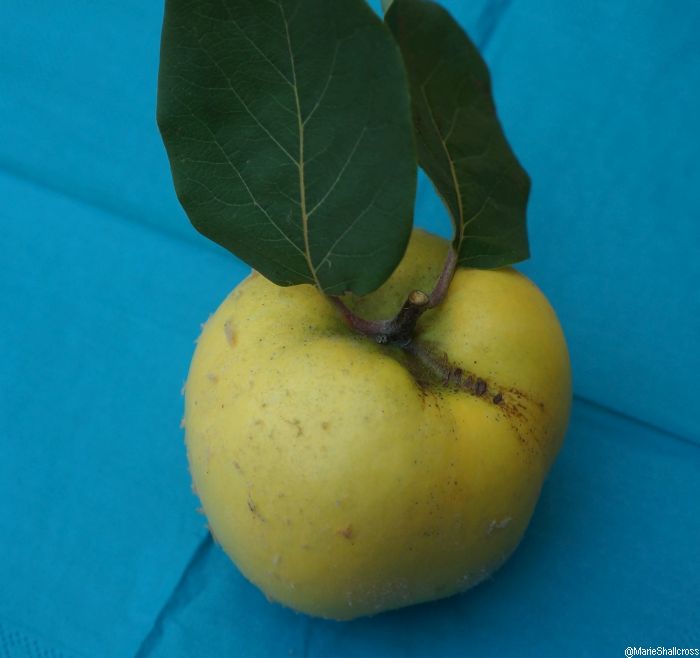
Designing a garden to include lots of fruit is always satisfying. At this time of year my imagination leaps off the page and sees next year’s mini orchard in full harvest. Apple trees are especially popular – did you know that Britain is “apple monarch of the world” with over 2000 varieties available?
The weather in 2012 affected the apple harvest, by reducing the quantity and quality, and generally giving a later harvest. A single apple tree can produce up to 200 apples and live for 100 years, so there is time for another harvest, a better harvest.
Not sure when to pick your apples? If they’re dropping to the ground as ripe rather than unripe ‘windfalls’ then it’s time to start picking. Cup the apple in your hand and twist gently; they should drop easily into your hand. Not all the apples may be ripe at the same time, so it may take 3 ‘goes’ at picking before the whole tree has been cropped.
Choosing an Apple Tree
What if you don’t have an apple tree of your own? If you’re thinking of buying one or two, now is an excellent time to taste different varieties and see which you prefer. You may find a good selection of apples at your local farmers market or farm shop. If you fancy them fresh off the tree why not find out if there’s an apple tasting day near you?
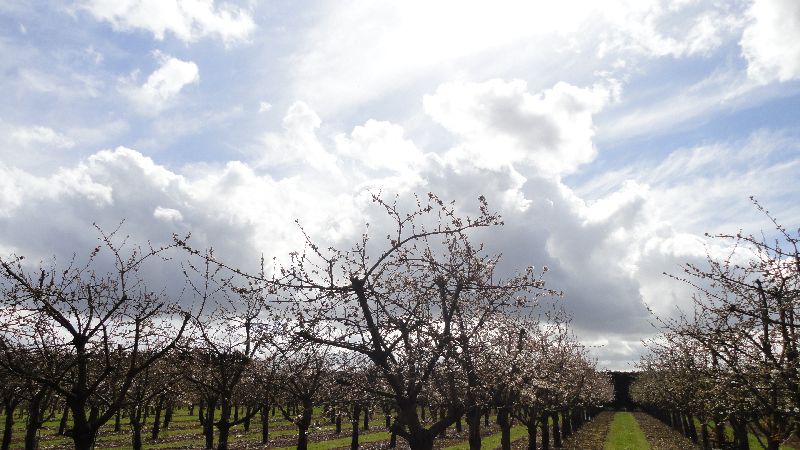
There are apple festivals aplenty – including one at Brogdale, home of the National Fruit Collection. They celebrated their diamond jubilee in 2012, just like Queen Elizabeth II. The National Fruit Collection at Brogdale houses the world’s largest collection of temperate fruit on a single site. To see row upon row of apple trees is an impressive sight. And then you move on to the pear trees, the quince, the medlar, the plums, the cherries…
Choosing an apple tree isn’t just about taste of course. The size of the tree, whether you’d like a free standing tree or a trained form are also important considerations. Trained forms are particularly suitable for smaller areas as they make use of often overlooked space. For example, training an espalier along a fence. Single cordon apples can be grown in a large pot, ideal for a patio. I remember seeing some of these at Trinity Buoy Wharf many years ago, as part of ‘growing food in the city’ project.
Historic Apple Trees
But perhaps you fancy a tree with history? If you’re a scientist perhaps the Isaac Newton apple tree might appeal? The story an apple landing on his head in 1667 thus leading to Newton’s laws on gravity may tempt you to have an offspring of the same tree. The original tree stood in the garden of Newton’s home at Woolsthorpe manor, in Lincolnshire. Over the years grafts have been taken to grow new Newton apple trees. It is claimed that the original is still there, having regrown after falling over in a storm.

The Egyptians were among the first people to grow apples – apart from Adam and Eve in the Garden of Eden, I suppose. But the first person to grow the world famous Bramley cooking apples was Mary Ann Brailsford in the family home in Nottinghamshire in the early 19th century. If you’re wondering why they’re not called ‘MaryAnn’s’ that’s because the family moved away. It was a man called Bramley who owned the tree when some fifty years later a local nurseryman took cuttings and grew the fruit and trees commercially.
So what else do you need to know? Apple trees are sold as scions or grafts onto a rootstock. Basically, the rootstock determines the ultimate size of the tree whilst the scion will give you the variety of fruit. You’ll also need more than one, or need your neighbours to have a tree as well, as apples are not self-fertile.
Now all this talk of apples has made me hungry – so I’m off to eat one I picked earlier!
If you’d like your own mini orchard designed or have any queries about your fruit trees, why not get in touch?
And for further gardening advice and inspiration, check out Plews Potting Shed blogs, including the selection below and our monthly Tipsheet – You could come and find us on Instagram Pinterest and Facebook too.
Related Gardening articles you may enjoy from our Award Winning Blog
Harvest Festivals and Your Garden
Easy maintenance edible gardens